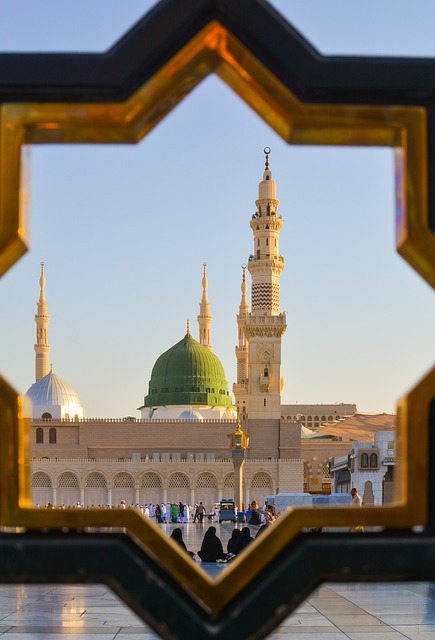
Prophet Muhammad (PBUH) is one of the most influential figures in history, revered by over a billion Muslims around the world. His life and teachings have had a profound impact on religion, culture, and society. Understanding his life offers insights into the principles of Islam and how they continue to shape the lives of millions today.
#Early Life
Muhammad was born in 570 CE in Mecca, a bustling trade city in present-day Saudi Arabia. Orphaned at a young age, he was raised by his grandfather and later by his uncle. Growing up, he was known for his honesty and integrity, earning the nickname "Al-Amin ", or "the trustworthy. " At the age of 25, he married Khadijah, a wealthy widow, who became his first supporter and a pivotal figure in his life.
#The Revelation
At the age of 40, Muhammad began receiving revelations from Allah through the Angel Gabriel. These revelations, which continued for 23 years, form the Quran—the holy book of Islam. The initial messages emphasized monotheism, moral integrity, and social justice, challenging the prevailing polytheistic beliefs of Mecca.
#The Message of Islam
As Muhammad shared these revelations, he called people to worship one God and to reject idolatry. His teachings emphasized the importance of compassion, mercy, and justice. Key tenets of Islam, such as the Five Pillars—faith, prayer, fasting, charity, and pilgrimage—were established during this time.
Tawhid (Oneness of God): Central to Muhammad's message was the belief in one God (Allah). This principle remains the cornerstone of Islamic faith.
Prophethood: Muhammad is regarded as the final prophet in a long line of messengers sent by God, including figures like Abraham, Moses, and Jesus.
Ethical Conduct: His teachings encouraged honesty, respect for parents, care for the poor, and fair treatment of others, including women and children.
#Challenges and Persecution
Despite his peaceful message, Muhammad and his followers faced intense opposition from the Quraysh tribe, who saw his teachings as a threat to their social and economic order. Early Muslims were subjected to persecution, leading to the first migration to Abyssinia (Ethiopia) for refuge.
In 622 CE, Muhammad and his followers migrated to Medina, an event known as the Hijra. This marked the beginning of the Islamic calendar and established the first Muslim community, or Ummah. In Medina, Muhammad acted as a spiritual leader, mediator, and statesman, fostering unity among diverse tribes.
#The Medina Period and Expansion of Islam
In Medina, Muhammad implemented social reforms, emphasizing justice, charity, and communal responsibilities. The Constitution of Medina established rights and responsibilities for all citizens, including non-Muslims, promoting coexistence and tolerance.
Over the next several years, Islam spread rapidly across the Arabian Peninsula. Muhammad engaged in various battles, including the Battle of Badr and the Battle of Uhud, defending the Muslim community and establishing its presence. His leadership was characterized by wisdom, patience, and strategic foresight.
#The Final Years and Legacy
In 630 CE, Muhammad and his followers peacefully conquered Mecca, cleansing the Kaaba of idols and restoring it as a place of monotheistic worship. He delivered his Farewell Sermon during the Hajj pilgrimage, emphasizing equality, justice, and the importance of following Islamic teachings.
Muhammad passed away in 632 CE, leaving behind a rich legacy of teachings and a united Muslim community. His life serves as a model of compassion, integrity, and dedication to God.
#Core Teachings
Compassion and Mercy: Muhammad emphasized mercy in interactions, encouraging kindness and forgiveness.
Social Justice: He advocated for the rights of the oppressed, including women and the poor, urging Muslims to work for social equity.
Community and Brotherhood: The concept of Ummah highlights the importance of community and mutual support among Muslims.
Seeking Knowledge: Muhammad encouraged the pursuit of knowledge, stating that seeking knowledge is an obligation for every Muslim.
#Conclusion
The life and teachings of Prophet Muhammad (PBUH) continue to inspire and guide Muslims around the world. His message of peace, justice, and compassion remains relevant today, encouraging individuals to strive for a just and harmonious society. By studying his life, we gain valuable insights into the principles of Islam and the profound impact of his teachings on humanity.